October 8, 2026
Building a house is a major milestone in life, and partnering with the right home builder is crucial to ensure the process goes smoothly. This article aims to provide an in-depth look at seven essential tips to help prospective homeowners work effectively with a home builder, guiding readers through the key phases and considerations of a home building project. Understanding these tips can lead to a successful outcome that aligns with your vision, budget, and timeline, making the journey less daunting and more rewarding.
Research and Choose a Reputable Builder
Choosing a reputable builder is one of the first and most crucial steps in the home building process. It’s essential to assess the builder's credentials and experience thoroughly, ensuring they hold the necessary licenses to operate legally. Experienced builders often bring a wealth of knowledge and insight to a project, which can be pivotal in handling unexpected challenges or making design choices. A strong track record often indicates reliability, quality, and professionalism, reducing the likelihood of issues during the construction process. Consider researching how long the builder has been in business and whether they specialize in the type of home you wish to build.
Understanding the builder’s experience can also extend to their ability to manage large projects or handle specific styles of homes. The more experience a builder has, the more likely they are to foresee and mitigate potential problems before they arise. Additionally, seasoned builders often have established relationships with subcontractors and suppliers, which can be beneficial in ensuring the quality of the work and materials used. When querying about experience, do not hesitate to ask about specific projects that resonate with your vision or project requirements. This can give you further reassurance about their capabilities and style compatibility.
Validating a builder's reputation through references and reviews is an effective way to gauge client satisfaction and work quality. Speaking directly with previous clients allows you to gather firsthand feedback about their experiences and the overall outcome of their homes. Be sure to ask detailed questions regarding communication, adherence to budget and timelines, and the builder's responsiveness to issues during the project. Happy former clients often recommend reliable builders, while consistent negative feedback should serve as a warning sign to steer clear.
In addition to personal references, online reviews serve as a valuable resource to assess a builder’s reputation in the broader community. Look for patterns in the feedback, such as recurring praise or criticisms, to better understand the builder's strengths and weaknesses. As you read reviews, keep an open mind but be cautious of overly positive or negative scores that might suggest biased or outlier opinions.
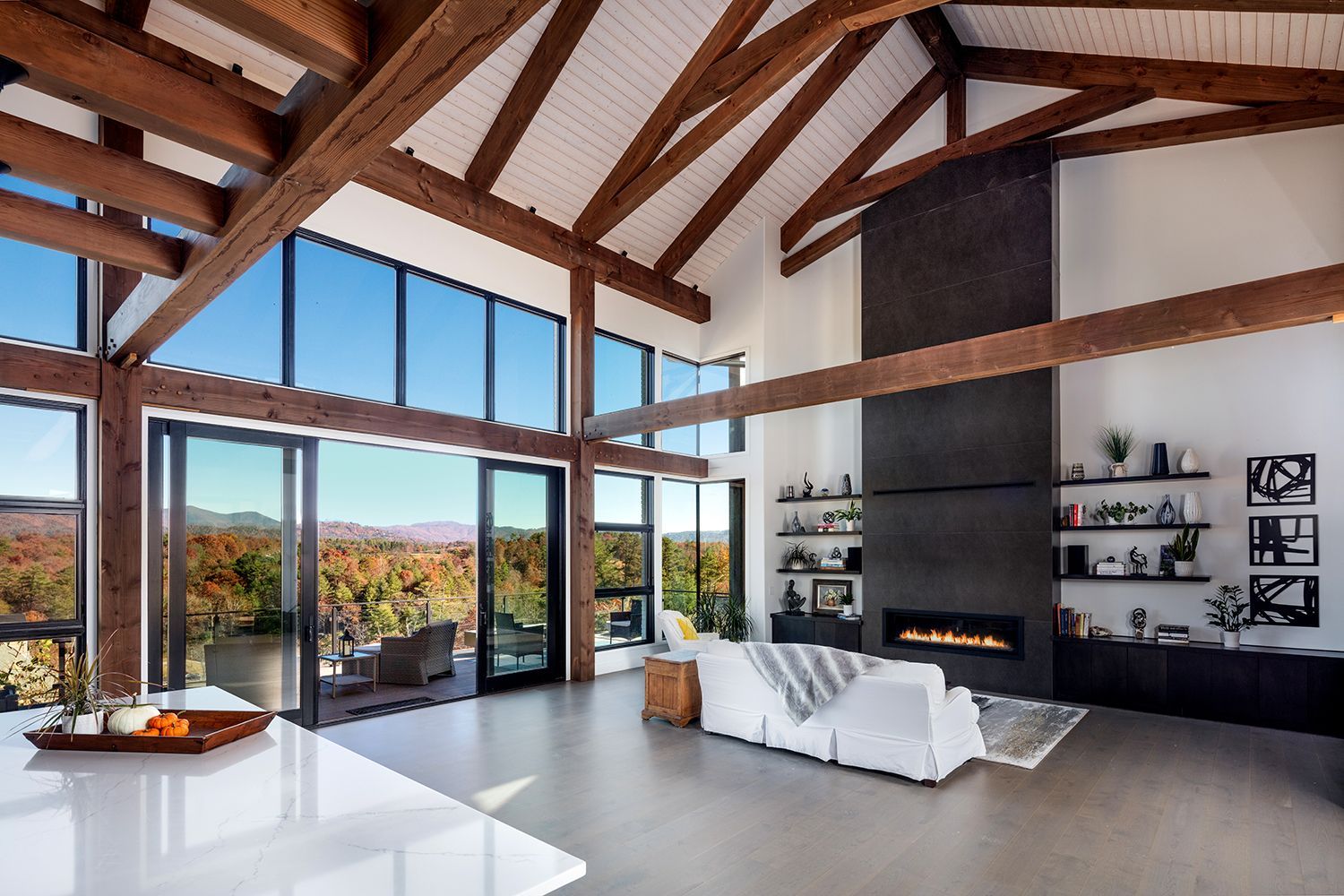
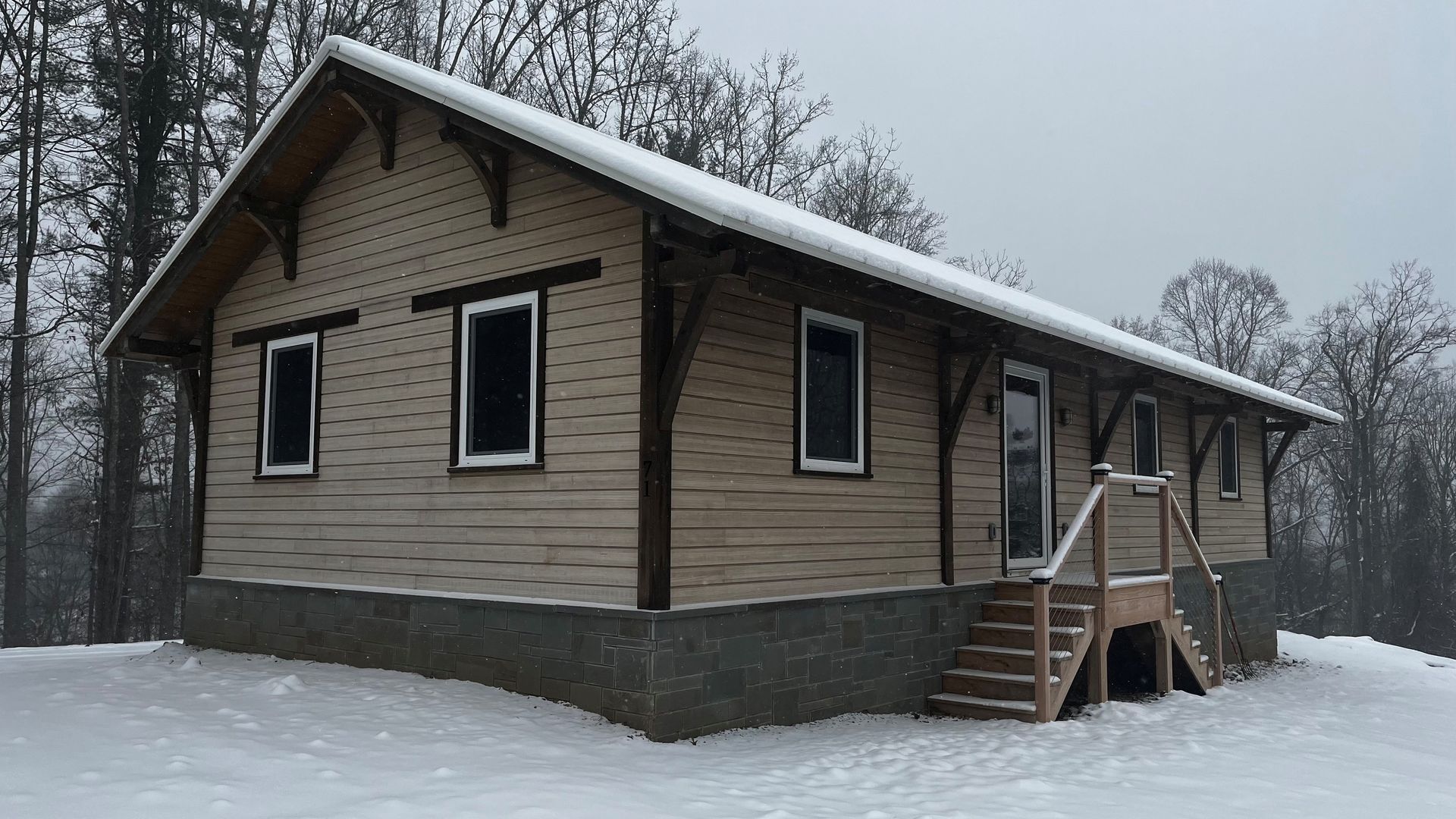
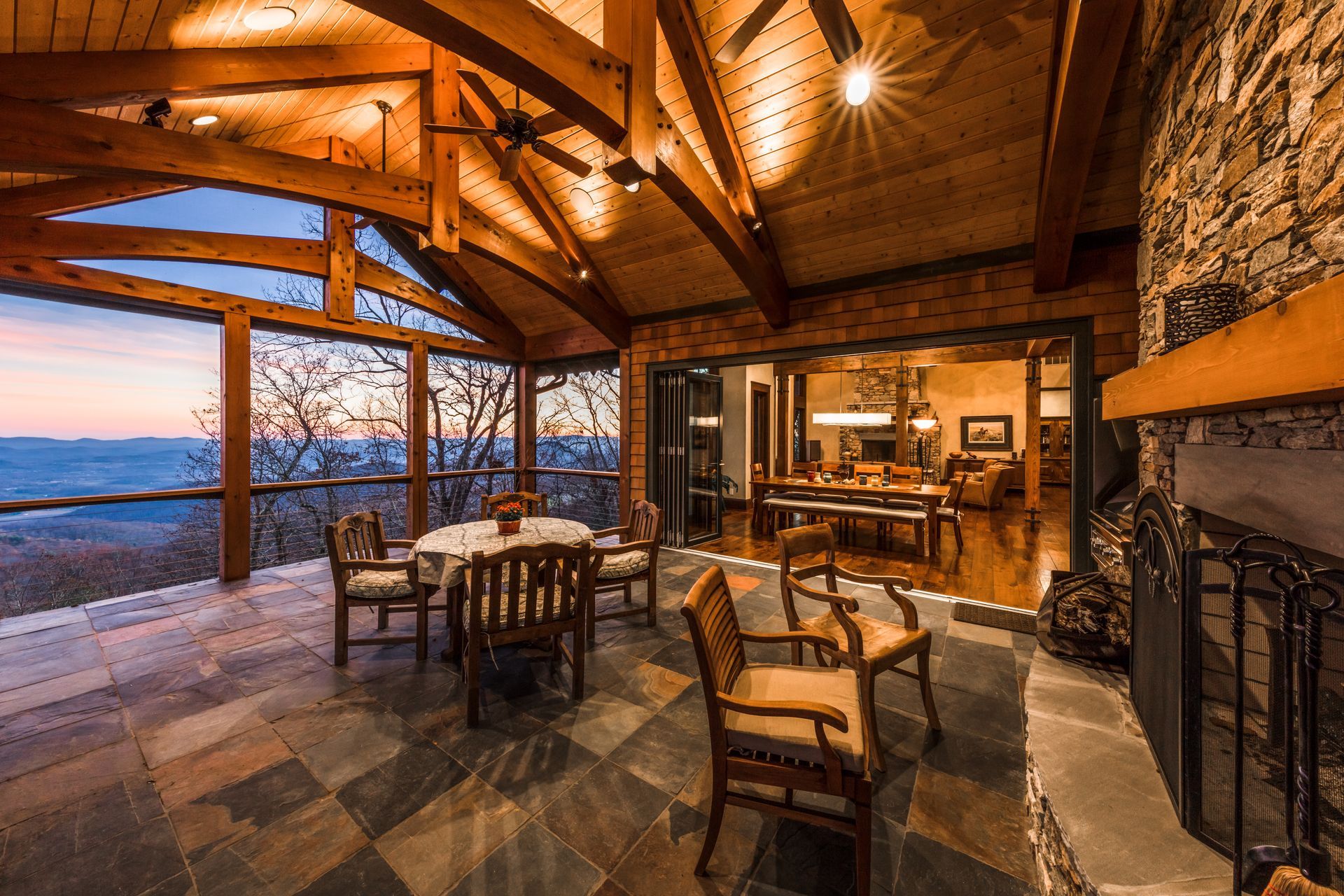
Reviewing a builder's portfolio of past work is crucial to understanding their style and the quality of their projects. A comprehensive portfolio provides visual evidence of a builder’s capabilities and aesthetics, helping you determine if their work aligns with your vision for your home. Pay attention to the diversity and scope of projects showcased, as this can indicate versatility and adaptability. Portfolios also provide insight into innovative design solutions and how the builder approaches various architectural challenges.
Clearly Define Your Goals and Budget
As you embark on a home building project, taking the time to identify must-have features sets a solid foundation for the design and construction phases. These features encapsulate the core elements you envision in your new home, be it architectural details, room sizes, or specific functional areas. Establishing non-negotiable features enables you to communicate your priorities effectively to the builder and designers, aligning their efforts with your expectations. It helps streamline the decision-making process, ensuring that essential elements are integrated from the outset.
When identifying these features, balance practicality and aesthetics by considering what will enhance daily living and satisfy long-term needs. Prioritize features that reflect your lifestyle, such as home offices, expansive kitchens, or energy-efficient solutions, as they cater to personal preferences and requirements. By clearly delineating must-have features, you create a roadmap for a home that resonates with your values and aspirations. This focus guides builders in shaping a space that embodies both comfort and functionality, tailored specifically to your vision.
Establishing a realistic budget is an essential component of the home building process, requiring careful planning and foresight. Your budget should encapsulate all anticipated expenses, including design, construction, materials, permits, and potential contingencies. Begin by examining your financial capacity and constraints to determine what you can feasibly invest in the project without jeopardizing other financial responsibilities. Once a detailed budget is set, communicate candidly with your builder to ensure mutual alignment and realistic expectations are maintained throughout the project.
Crafting a budget involves assessing individual cost components, prioritizing expenditures on elements that hold the highest value and impact on your vision of the home. Having a clear understanding of what each phase entails will allow you to allocate resources appropriately, minimizing overspending or underfunding particular segments. Be open to seeking professional financial advice if necessary, to ensure that your budget encompasses hidden costs such as taxes, insurance, or moving expenses that might arise.
Distinguishing between preferences and needs is fundamental in shaping a home that accommodates both desires and practical requirements. Preferences often include elements that enhance the aesthetic or luxury of a home, from upscale finishes to high-end appliances, while needs focus on necessary functional aspects such as bedrooms, bathrooms, and structural integrity. Understanding this distinction enables you to allocate resources wisely, optimizing the satisfaction and utility derived from your investment.
Communicate Effectively
Establishing an effective communication plan is vital for the smooth execution of a home building project. From the outset, determine with your builder how frequently updates will be provided and the preferred channels of communication, whether they be meetings, phone calls, or digital platforms. This clarity ensures both parties are informed throughout the process and minimizes the risk of miscommunication. Consider designating specific times for regular check-ins, aligning these discussions with key project milestones to assess progress comprehensively.
Open and direct communication paves the way for a cooperative and understanding partnership with your builder. By fostering an environment where questions and concerns can be expressed freely, you encourage productive dialogue and shared problem-solving. An established communication plan can also include emergency protocols for addressing urgent matters, permitting timely intervention when necessary. According to Architectural Digest, custom home builders commonly allocate three to five months for design, and six to eight months for construction. It is also important that you and your home builder are on the same page regarding timelines and schedules.
Clear and concise communication is integral to preventing misunderstandings and fostering productive exchanges with your builder. By expressing your ideas and requirements in straightforward language, you reduce the likelihood of ambiguity or misinterpretation. Preparation and clarity when articulating priorities, preferences, and feedback help streamline interactions and keep the project on course. Use specific terminology and visuals, such as sketches or mood boards, to convey your intentions effectively, enhancing mutual comprehension and alignment.
Crafting communication that focuses on essentials ensures efficiency, enabling the builder to respond directly to your concerns or vision. Avoiding overly detailed or nonessential information prevents confusion and keeps discussions purpose-driven. Inviting your builder to reciprocate similar clarity encourages a mutual commitment to effective exchange, strengthening collaboration. This clarity fosters an environment where all team members are well-informed, reducing errors and promoting overall project success.
Documenting communications with your builder provides a reliable reference point for agreements, changes, and decisions made throughout the project. By diligently recording dialogues, emails, and agreements, you create an organized archive that safeguards against disputes or confusion later in the process. Documentation clarifies expectations, capturing critical details and maintaining accurate records of commitments. This transparency cultivates accountability, reinforcing a shared understanding and commitment to mutual objectives.
Building a home is a significant undertaking, but careful planning and strong communication can make the process more manageable and rewarding. By researching potential home builders, establishing clear goals and a realistic budget, and maintaining open communication throughout the project, homeowners can create a strong foundation for a successful build. Taking the time to make informed decisions and document important details can help ensure the finished home reflects both the homeowner’s vision and practical needs. For a home builder you can rely on, contact Timberframe Horizons, LLC today.