January 6, 2026
The process of building a home is one of the most significant investments many individuals will make in their lifetime. It requires careful planning, thoughtful decision-making, and a clear understanding of priorities before construction begins. Selecting the right professional support early on helps reduce stress, control costs, and create a more predictable experience. This article provides expert guidance to help you make informed decisions throughout the selection process and avoid common pitfalls. Taking a structured approach from the outset allows homeowners to remain engaged without becoming overwhelmed by the many moving parts involved in construction.
Understanding Your Needs
Before embarking on a home construction project, it is essential to clarify your personal, financial, and practical requirements. Taking time to evaluate your expectations allows you to move forward with confidence and clarity. Consider how you plan to use the space daily, what features are nonnegotiable, and where flexibility exists. Clearly defining these priorities early reduces indecision and helps guide productive conversations throughout the project.
Budget Planning and Financial Readiness
Understanding your budget is a foundational step in any construction project. This includes evaluating your current finances, financing options, and potential long-term obligations. Beyond construction costs, you should account for permits, inspections, utility connections, and contingency funds. A realistic budget establishes clear boundaries and helps you evaluate proposals objectively. Clear financial planning also allows you to compare services and timelines offered by home builders without compromising quality. Planning for cost fluctuations and unexpected changes further protects you from financial strain during construction.
Design Vision and Lifestyle Considerations
Defining your design vision involves identifying architectural styles, interior layouts, and functional elements that align with your lifestyle. Whether you prefer open living spaces, energy-efficient features, or customized finishes, clarity at this stage helps streamline decisions later. A well-defined vision reduces design revisions and keeps the project cohesive from start to finish. Considering how each space supports daily routines improves comfort and usability long after construction is complete.
Planning for Future Needs
Forward-thinking planning ensures your home remains functional over time. Consider factors such as family growth, accessibility needs, and resale potential. Incorporating adaptable layouts or sustainable materials can improve longevity and market appeal. Planning ahead minimizes the need for costly renovations and enhances long-term satisfaction. Flexibility built into the design allows the home to evolve as personal circumstances change.
Establishing a Realistic Timeline
Creating a construction timeline helps coordinate approvals, material deliveries, and labor scheduling. Timelines should account for potential delays related to weather or supply availability. Clear scheduling expectations encourage accountability and help align responsibilities across all parties involved. Allowing reasonable buffers within the timeline reduces pressure and supports smoother project execution.
Researching Potential Builders
Careful research plays a vital role in selecting professionals who align with your goals. Gathering detailed information helps you assess reliability, workmanship, and compatibility. Investing time in this stage reduces the likelihood of miscommunication and costly mistakes later in the process.
Reviewing Past Projects and Experience
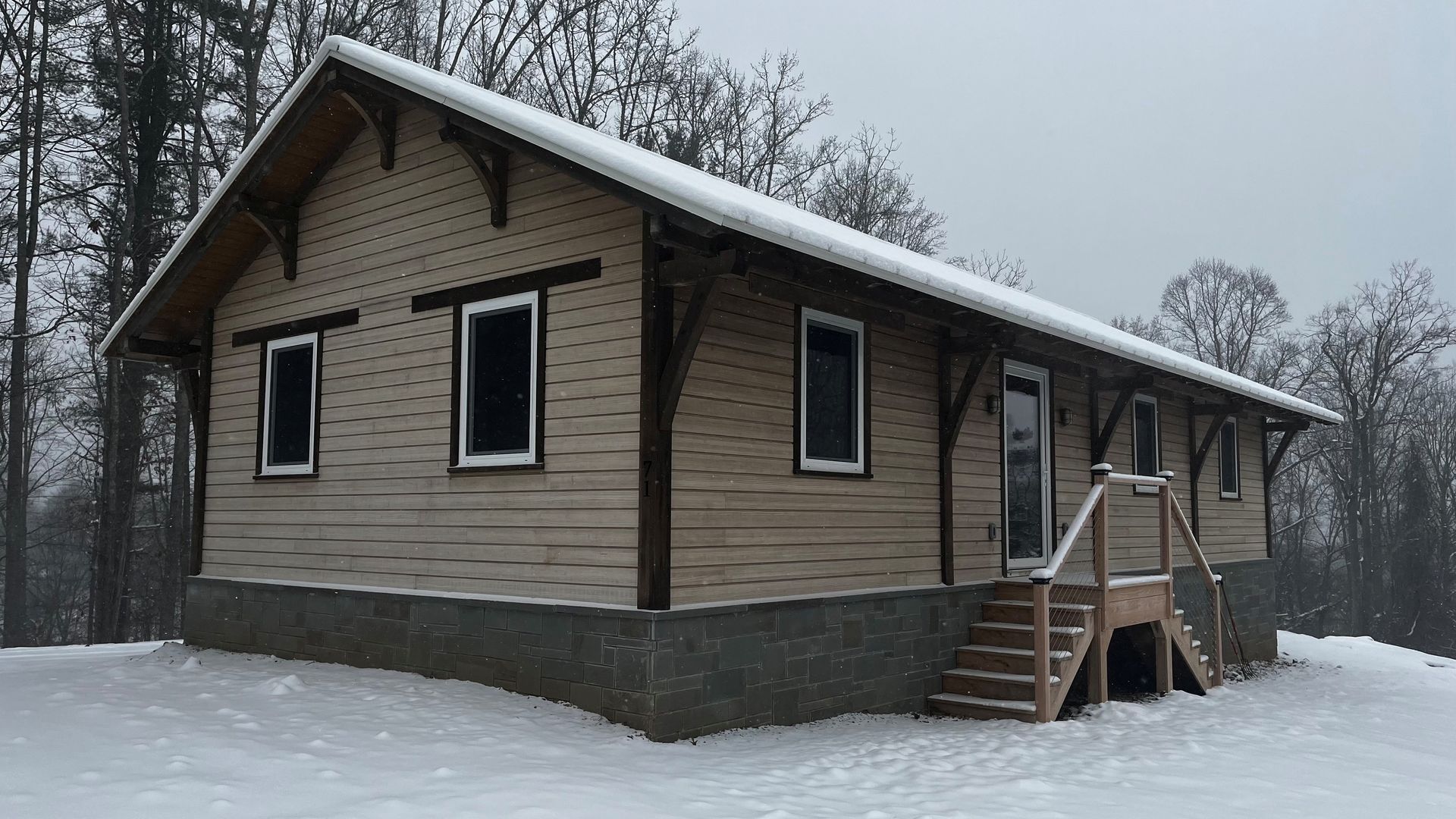
When researching potential home builders, reviewing completed projects provides insight into craftsmanship, consistency, and attention to detail. Examining a range of completed homes helps you determine whether their experience aligns with your design goals and construction expectations. Visiting completed projects or viewing detailed portfolios offers a clearer understanding of quality standards.
Licensing, Credentials, and Reputation
Verifying licensing and credentials protects you from legal and safety risks. Licensed professionals must comply with regulatory standards and building codes. Reviewing certifications and professional affiliations further demonstrates commitment to quality and accountability. A strong reputation within the industry often reflects reliability and ethical business practices.
Client Feedback and References
Online reviews and direct client references offer valuable perspectives on reliability and communication. Look for consistent patterns in feedback rather than isolated experiences. Speaking with former clients can provide honest insights into timelines, problem resolution, and overall satisfaction. These conversations often reveal how professionals respond when challenges arise.
Interviewing Home Builders
Interviews allow you to assess compatibility, professionalism, and communication styles before making a commitment. This stage also provides an opportunity to clarify expectations and confirm alignment on project goals.
Asking the Right Questions
Interviewing home builders gives you an opportunity to discuss timelines, budgeting processes, and project management approaches. Well-prepared questions reveal how candidates handle challenges and collaborate with clients. This step also helps establish expectations early in the relationship and builds mutual understanding.
Evaluating Communication and Responsiveness
Clear communication is essential throughout construction. Pay attention to responsiveness, clarity, and willingness to explain details. Builders who communicate openly are better equipped to prevent misunderstandings and keep projects moving smoothly. Consistent updates help maintain confidence as the project progresses.
Problem-Solving and Compatibility
Construction projects often encounter unexpected issues. Understanding how professionals address challenges provides insight into experience and adaptability. Compatibility, trust, and shared values form the foundation of a productive working relationship. A collaborative approach helps resolve issues efficiently without escalating stress.
Analyzing Bids and Contracts
Comparing proposals requires more than reviewing bottom-line costs. A detailed evaluation helps identify true value and avoid surprises. Transparency within proposals reflects professionalism and attention to detail.
Comparing Estimates and Payment Structures
Cost estimates should clearly outline materials, labor, and allowances. Comparing bids side by side helps identify inconsistencies or omissions. Fair payment schedules should align with construction milestones and protect both parties. Clear financial terms reduce confusion and promote accountability.
Understanding Contract Terms
Contracts define responsibilities, timelines, and procedures for changes. Reviewing terms carefully helps prevent disputes and ensures transparency. Clear documentation provides legal protection and sets expectations for the entire project. Taking time to understand contract language supports informed decision-making.
Ensuring Quality and Compliance
Quality assurance and regulatory compliance are essential for safety, durability, and long-term value. Consistent oversight reinforces construction standards and protects your investment.
Materials, Inspections, and Code Compliance
High-quality materials and adherence to building codes directly affect structural integrity. Regular inspections verify compliance and workmanship. Independent third-party inspections offer additional assurance and unbiased evaluations. Proactive quality checks help identify issues before they escalate.
Monitoring Progress and Milestones
Tracking construction milestones allows you to monitor progress and address concerns early. Clear reporting and documentation improve transparency and help maintain momentum throughout the build. Regular reviews ensure the project remains aligned with original expectations.
Maintaining a Strong Working Relationship
A positive working relationship supports collaboration and successful outcomes. Mutual respect and professionalism contribute to smoother interactions.
Clear Communication and Expectations
Open dialogue encourages trust and minimizes misunderstandings. Setting expectations early regarding responsibilities, updates, and decision-making promotes smoother interactions. Consistent communication helps resolve questions quickly and efficiently.
Addressing Concerns and Celebrating Progress
Promptly addressing concerns prevents delays and reinforces accountability. Recognizing milestones and progress fosters goodwill and motivates continued performance. A balanced approach supports both efficiency and morale.
Conclusion
Choosing among home builders requires careful planning, research, and communication. By clearly defining your needs, evaluating qualifications, and maintaining transparency throughout the process, you position yourself for a successful outcome. Thoughtful preparation leads to a rewarding experience and a finished home that reflects both quality and long-term value. According to IBISWORLD, Industry revenue has been increasing at a CAGR of 1.8% over the past five years to total an estimated $31.5 billion in 2025, including an estimated gain of 1.9% in 2025. Making informed decisions ensures that your investment supports comfort, functionality, and lasting satisfaction for years to come. Contact our team at Timberframe Horizons, LLC today and get connected to our frame services