January 9, 2026
In today's built environment, the paradigm shift toward sustainable, resilient, and aesthetically driven residential projects has elevated timber frame homes from niche market offerings to mainstream consideration. Within this landscape, stakeholders are increasingly looking for clarity, predictability, and value in their investments. This blog post focuses on key insights that inform decision-making throughout the construction lifecycle of timber frame homes, enabling prospective homeowners and project teams to align expectations with real-world execution. By demystifying core processes, constraints, and differentiators associated with timber frame construction, we provide a foundation for strategic engagement with your build partner.
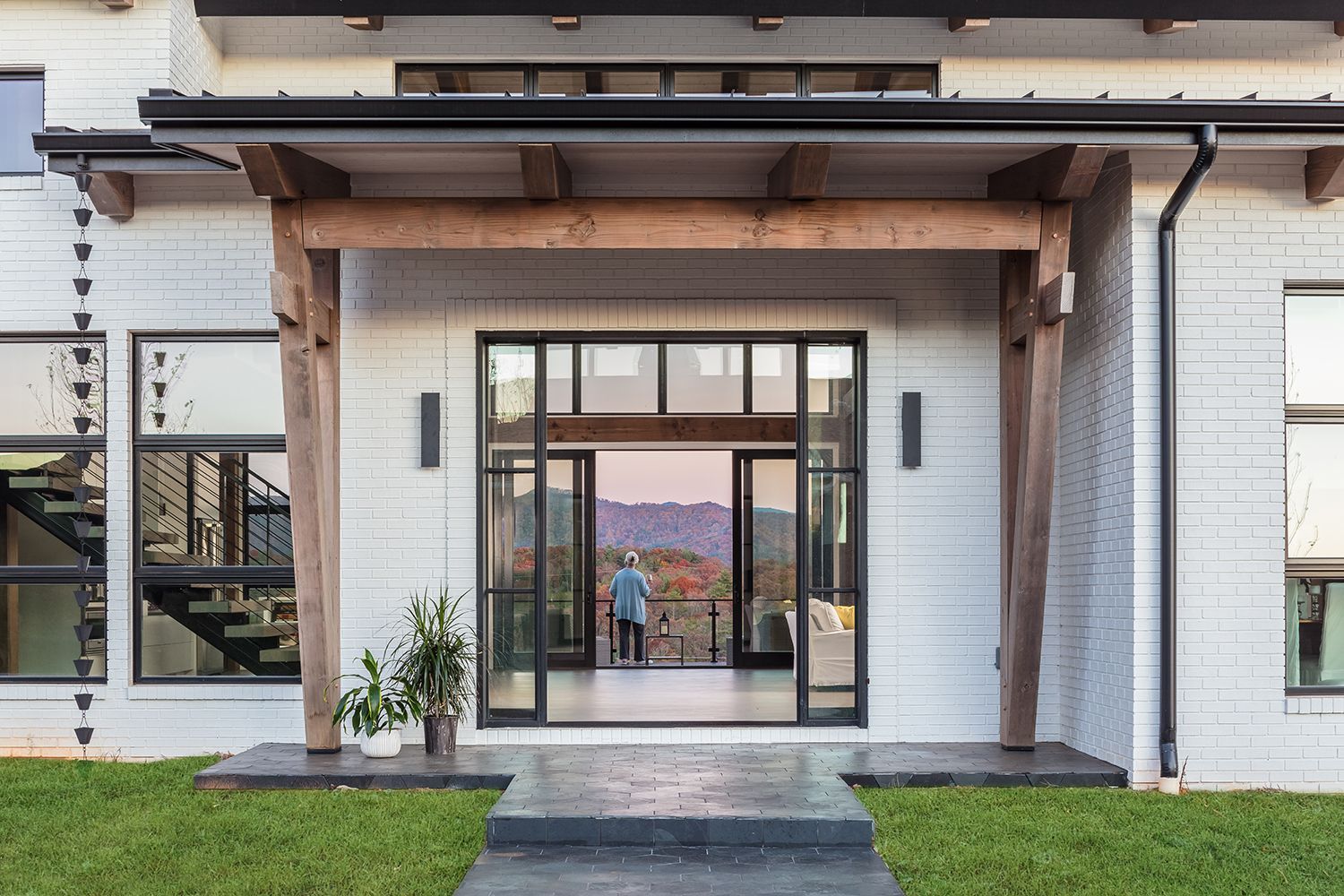
Timber frame homes are distinguished by their structural integrity, exposed wood framework, and seamless integration of form and function. Unlike conventional stick-built homes, these builds feature engineered timber components that serve as both the primary load-bearing system and a defining aesthetic element. The result is an architectural expression that balances performance with warmth, longevity with design flexibility. Understanding the implications of this structural system—across planning, fabrication, assembly, and finishing phases—is essential for effective project governance and delivery excellence.
Clarifying Project Planning and Design Integration
At the outset of a timber frame home project, a comprehensive planning and design phase establishes the strategic blueprint for the entire initiative. This phase transcends basic architectural renderings. It encompasses site analysis, regulatory compliance strategies, structural engineering integration, and material specification alignment. Unlike traditional builds where on-site framing adapts to evolving conditions, timber frame homes demand precision up front because much of the structural framework is prefabricated off-site.
During this stage, project teams engage in iterative collaboration to reconcile owner aspirations with build feasibility. Architects, engineers, and timber frame fabricators co-create detailed plans that articulate load paths, connection details, and timber species selection. Modern modeling tools and BIM platforms enable deep visibility into how the timber frame will interact with mechanical, electrical, and plumbing (MEP) systems. This ensures that, once fabrication begins, there are minimal iterations or costly redesigns.
The alignment achieved in the planning phase significantly de-risks downstream activities. It empowers clients to visualize sequencing, identify potential value-engineering opportunities, and lock in performance targets related to energy efficiency and indoor environmental quality. By frontloading this effort, timber frame homes can be delivered with a level of predictability that satisfies both technical requirements and aesthetic ambitions.
Explaining Prefabrication and Off-Site Precision Manufacturing
One of the defining characteristics of timber frame home construction is the prefabrication of major structural components. Rather than building the skeleton of the home exclusively on site, timber frame members are engineered and manufactured in controlled environments. This approach introduces quality controls that are difficult to replicate in traditional field-assembled frameworks.
In a precision manufacturing setting, craftsmen cut, shape, and prepare timber elements according to exacting specifications derived from the design phase. CNC machining, advanced joinery techniques, and digital quality assurance processes ensure that each beam, post, and brace meets tolerances necessary for seamless assembly. This prefabrication efficiency accelerates on-site installation and reduces waste, errors, and weather-related delays.
From a project management perspective, prefabrication represents a shift from reactive to proactive control. Instead of responding to on-site variables, the build team manages component deliveries, logistics sequencing, and inventory staging with a level of operational rigor more commonly seen in industrial manufacturing environments. This fosters tighter integration between procurement, production, and on-site execution teams. As a result, timber frame homes benefit from an orchestrated construction rhythm that enhances both speed and quality.
Detailing Site Preparation and Foundation Coordination
While the timber frame itself may be prefabricated, the construction of timber frame homes still depends heavily on meticulous site preparation and foundation work. The foundation system must be designed to accommodate the loads and configurations dictated by the timber frame design. This often entails early engagement between geotechnical engineers, site contractors, and the frame fabricator to ensure subsurface conditions, drainage systems, and anchorage points align with structural requirements.
Site preparation activities include earthworks, grading, erosion control, and utility trenching. These tasks set the stage for a foundation that supports both structural integrity and long-term performance. Whether the build includes a slab on grade, crawl space, or full basement, precision in excavation and formwork is non-negotiable. Misalignment at this stage can cascade into significant challenges once the prebuilt frames are delivered for assembly.
Additionally, construction teams establish temporary access routes, staging areas for timber components, and safety perimeters. Coordinating these logistics is essential because timber frame homes often involve the delivery of large, heavy beams that require specialized handling equipment. By integrating site logistics planning early, project managers mitigate risks associated with material handling, site congestion, and labor allocation.
Outlining Frame Erection and Sequencing Best Practices
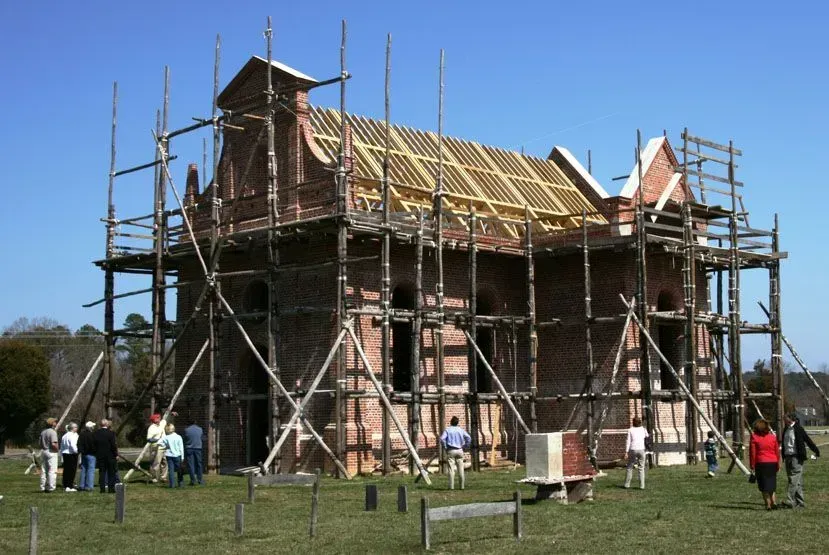
When it comes to the actual assembly of timber frame structures, the process shifts from planning to high-impact execution. Frame erection is a pivotal milestone that marks the transition from groundwork to visible structure. Unlike conventional construction where framing can be labor-intensive and time consuming, timber frame homes benefit from a highly coordinated sequence of events.
According to HomeGuide, framing a timber house takes an average of 30 to 60 days, including roof framing. This condensed timeframe reflects the efficiencies gained through off-site prefabrication and streamlined on-site assembly protocols. The job site transforms rapidly as skilled crews raise posts, connect beams, and erect trusses in a choreographed sequence that emphasizes safety and precision. The use of temporary bracing and engineered connectors ensures the structure remains secure throughout the process.
During this phase, effective communication across trades becomes paramount. Crane operators, frame installers, and subcontractors must execute with synchronized timing. Daily coordination meetings, real-time progress tracking, and contingency planning help ensure that any divergence from schedule is addressed promptly. Projects that adopt these disciplined sequencing practices tend to achieve milestones reliably and maintain alignment with budgetary expectations.
Highlighting Integration of Building Systems and Performance Enhancements
Once the timber frame is in place, the integration of building systems—including insulation, HVAC, electrical, and plumbing—becomes a key focus. One of the inherent strengths of timber frame homes is the structural openness that allows for flexible routing of utilities without compromising the visual appeal of exposed timber. However, this flexibility requires thoughtful coordination to avoid conflicts between architectural intent and system performance.
Other performance considerations include air and moisture control, which are critical for maintaining the health of both the structure and its occupants. Advanced vapor retarders, strategic ventilation designs, and moisture management plans are tailored to the unique characteristics of timber frame homes. This systems-level integration demands adaptive thinking from designers and subcontractors alike, but when executed well, it elevates both performance and market value of the finished property.
Examining Interior Finishes and Aesthetic Alignment
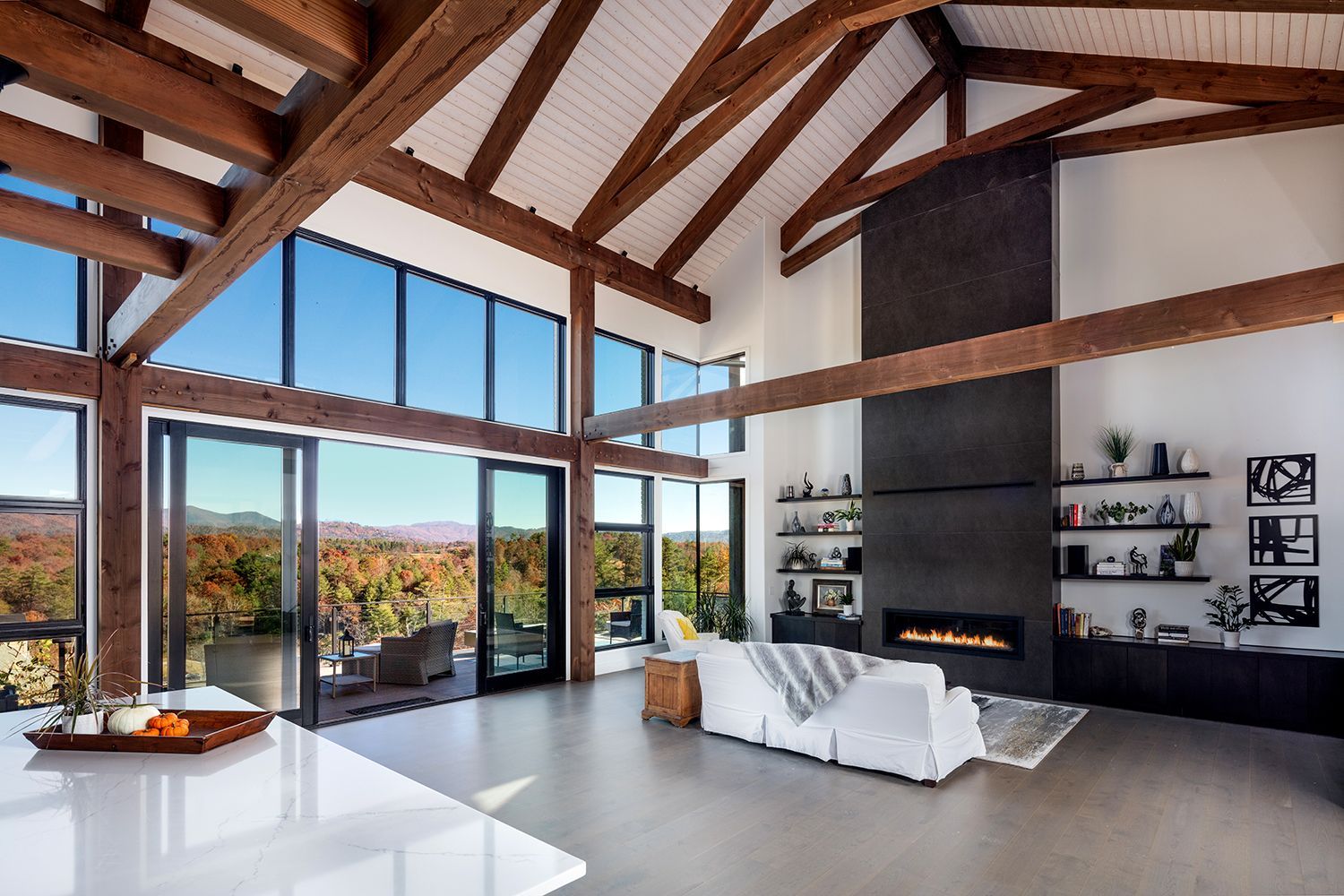
The interior finish phase for timber frame homes presents an opportunity to reinforce the project's overall design language. Exposed timber elements often serve as focal points, dictating architectural themes that carry through cabinetry, millwork, ceiling treatments, and flooring selections. Because the structural framework is integral to the home's visual character, interior finishes must be selected with a deep understanding of how they interact with wood tones, textures, and patterns.
This phase also involves critical coordination between finish carpenters, lighting designers, and interior designers. Strategic lighting enhances exposed beams while highlighting spatial proportions and material contrasts. Complementary finishes—such as natural stone, glass, and metal accents—reinforce a cohesive aesthetic that aligns with the homeowner's vision while respecting the structural narrative of the timber frame.
From a corporate governance perspective, ensuring aesthetic quality without compromising constructability requires rigorous review cycles and mock-ups where appropriate. These proactive measures help avoid costly rework and guarantee that the final environment reflects both design intent and operational feasibility.
Timber frame homes stand as a testament to what is possible when visionary design converges with disciplined execution. Understanding the nuances of this construction methodology empowers you to engage productively with your build team, anticipate key milestones, and realize a home that resonates with both character and enduring value. If you're looking for a new timber frame home, contact Timberframe Horizons, LLC today.