September 3, 2026
In recent years, timber frame homes have seen a resurgence in popularity among homeowners and builders alike. With their unique aesthetic appeal, environmental benefits, and structural advantages, these homes offer a compelling alternative to traditional construction methods. This article explores the reasons behind the growing popularity of timber frame homes and the factors contributing to this trend.
1. Historical Significance and Timeless Appeal
Timber frame construction dates back to ancient civilizations, where timber served as a primary building material due to its availability and ease of use. In medieval Europe, this method of construction was prevalent, with grand cathedrals and small cottages alike showcasing intricate timber frames. Over the centuries, timber framing evolved in style and engineering, yet it always remained a testament to the ingenuity and resourcefulness of builders. The durability of these structures has allowed many of them to survive for hundreds of years, highlighting their sustainable nature. Timber framing represents a connection to our architectural past that remains relevant today.
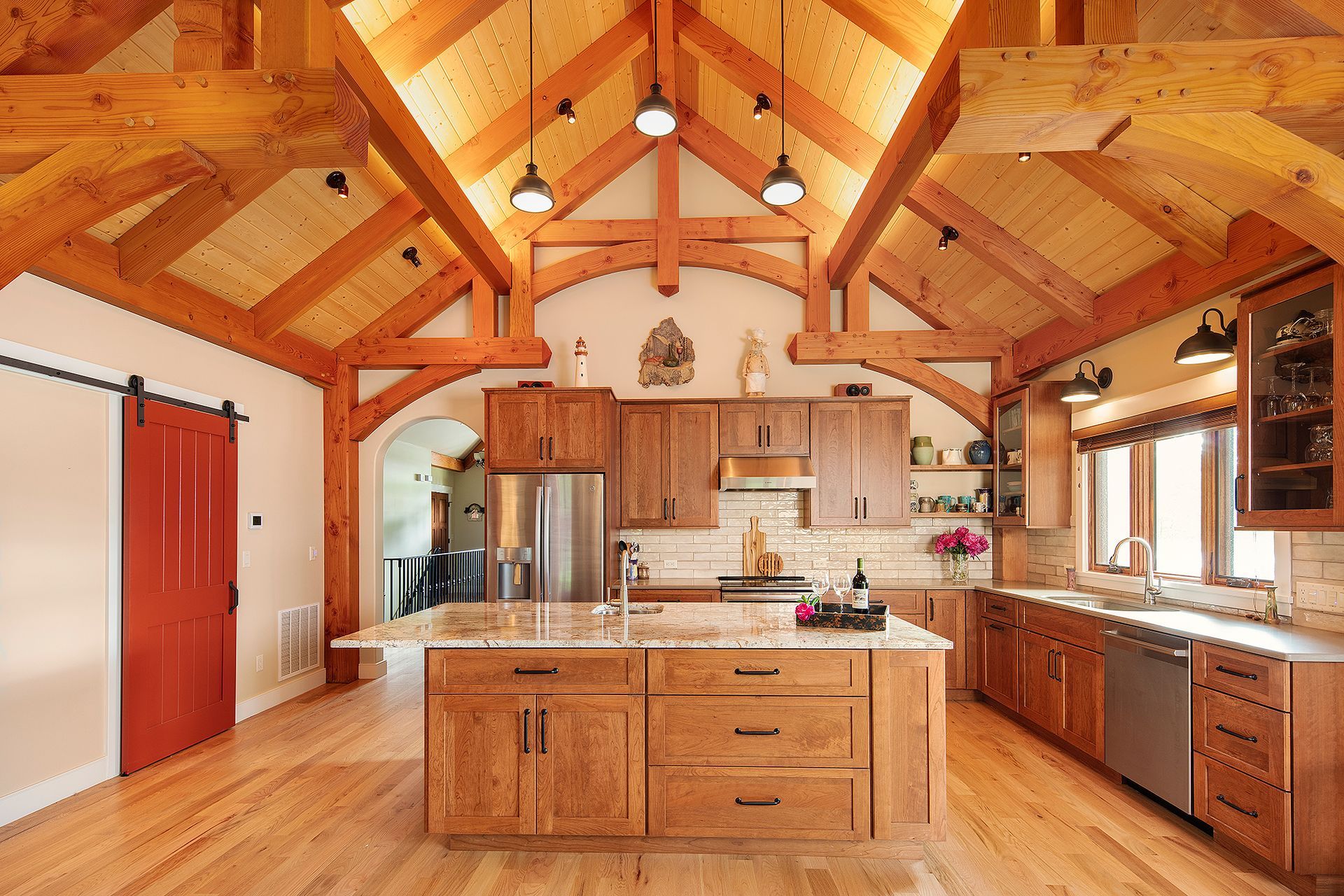
Timber frame homes are often celebrated for their architectural beauty, offering an aesthetic that combines rustic charm with elegance. Exposed beams and timber elements create a signature look that can be tailored to fit contemporary or traditional designs. The versatility of wood allows for customization in color, grain, and texture, enhancing the visual appeal of timber frame homes. Wooden structures often boast a warmth and inviting atmosphere that cannot be easily replicated with other building materials. In an age where architectural uniqueness is prized, the aesthetic value of timber frames continues to be a major draw for homeowners and designers alike.
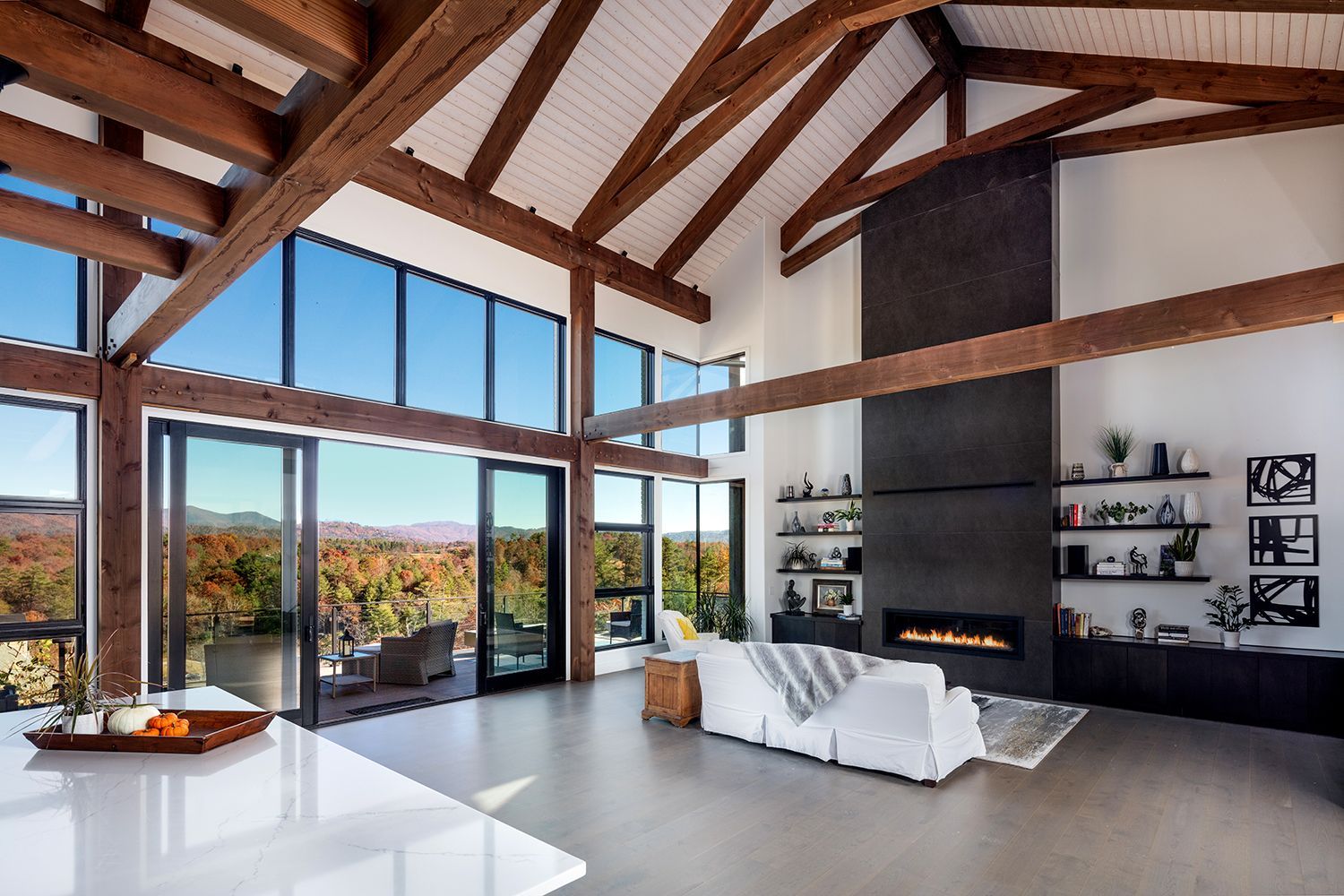
Modern timber frame homes often draw inspiration from historical architectural trends, blending them with contemporary design elements. This marriage of old and new can result in breathtaking homes that pay homage to their roots while embracing modern innovations. Techniques such as vaulted ceilings and large window installations are frequently integrated into timber frame designs, enhancing both form and function. The historical appeal of timber frames contributes not only to their aesthetic allure but also to their cultural significance. By marrying past and present, timber framing continues to evolve, allowing homeowners to incorporate a timeless element into their modern lifestyles.
2. Environmental Benefits of Timber Frame Homes
Timber is a renewable resource, offering a sustainable alternative to conventional building materials such as steel and concrete. Responsible forestry practices ensure that wood used in construction comes from sustainably managed forests, promoting ecological balance. The cycle of planting and harvesting trees contributes to the regeneration of forests, crucial for maintaining biodiversity and carbon sequestration. This environmentally conscious approach appeals to eco-friendly builders and homeowners, furthering timber's popularity as a material of choice. The use of timber aligns with global sustainability goals, making it a favorable option in an era striving for reduced environmental impact.
Timber frame homes are renowned for their excellent energy efficiency, a result of wood's inherent insulation properties. Timber is a natural insulator, reducing heating and cooling demands in homes and thereby lowering energy consumption. The efficiency of timber helps maintain comfortable indoor temperatures and contributes to fewer emissions associated with heating and cooling. By minimizing energy usage, timber frame homes often achieve higher ratings in energy performance and can qualify for various green building certifications. This environmentally friendly characteristic is a key reason why timber frame constructions continue to gain momentum in building communities dedicated to sustainability.
The carbon footprint of timber frame homes is considerably lower compared to many traditional building practices. Wood stores carbon throughout its lifecycle, and when used in construction, it effectively acts as a carbon sink, offsetting emissions. The manufacturing process of timber products requires significantly less energy compared to steel or concrete, resulting in reduced greenhouse gas emissions. Furthermore, the versatility of timber allows it to be locally sourced, minimizing transportation-related emissions and supporting local economies. As environmental concerns continue to be a priority, the reduced carbon footprint of timber frames makes them an attractive option for eco-conscious builders
3. Structural Strength and Durability
Modern engineering techniques have refined the structural capabilities of timber frame homes, ensuring they are both safe and robust. Engineered timber products such as cross-laminated timber (CLT) enhance structural integrity, allowing for greater design flexibility and taller building frames. These advancements ensure timber frame homes can meet or exceed building codes while maintaining aesthetic beauty. Engineered timber significantly contributes to resilience, accommodating architectural designs that were once impossible with traditional materials. As technology evolves, the engineering of timber frames continues to improve, supporting the longevity and safety of these structures.
Timber frame homes offer significant resistance to natural disasters, such as earthquakes and windstorms. The flexibility of wood allows these structures to absorb seismic energy more effectively than rigid materials like concrete or steel, reducing potential damage during earthquakes. Additionally, design advancements have made timber frame homes capable of withstanding strong winds and hurricanes, providing peace of mind for those in susceptible regions. Continued innovation in construction techniques, such as the use of advanced fasteners and earthquake-resistant designs, further bolsters timber frames' disaster resilience. These attributes make timber frame homes an inviting option for homeowners in various climates.
When properly constructed and maintained, timber frame homes can outlast many conventional building methods. According to HomeGuide, a timber frame house can last anywhere from 25 to 100 years, depending on the construction quality and environmental conditions. The use of high-quality timber and attentive design ensures these homes stand the test of time, often enduring for several centuries. Unlike other materials that may rust or deteriorate over time, timber structures maintain their integrity with proper care, providing lasting value to homeowners. Furthermore, timber's natural resistance to weathering and pests, especially when specially treated, helps prevent decay and prolongs a building's life. As a result, timber frame homes remain not only a durable choice but also a wise investment for future generations.
4. Design Flexibility and Customization
The strength of timber frame construction allows for larger open spaces without the need for numerous interior support walls. This provides homeowners with unparalleled design flexibility, creating expansive open floor plans that encourage fluidity and spaciousness. Open-concept living is highly sought after, as it facilitates connectivity and interaction among family members and guests. The ability to incorporate such design options makes timber frame homes appealing to a diverse range of buyers seeking a modern living experience. As a result, the design versatility offered by timber framing continues to be a compelling factor for prospective homeowners.
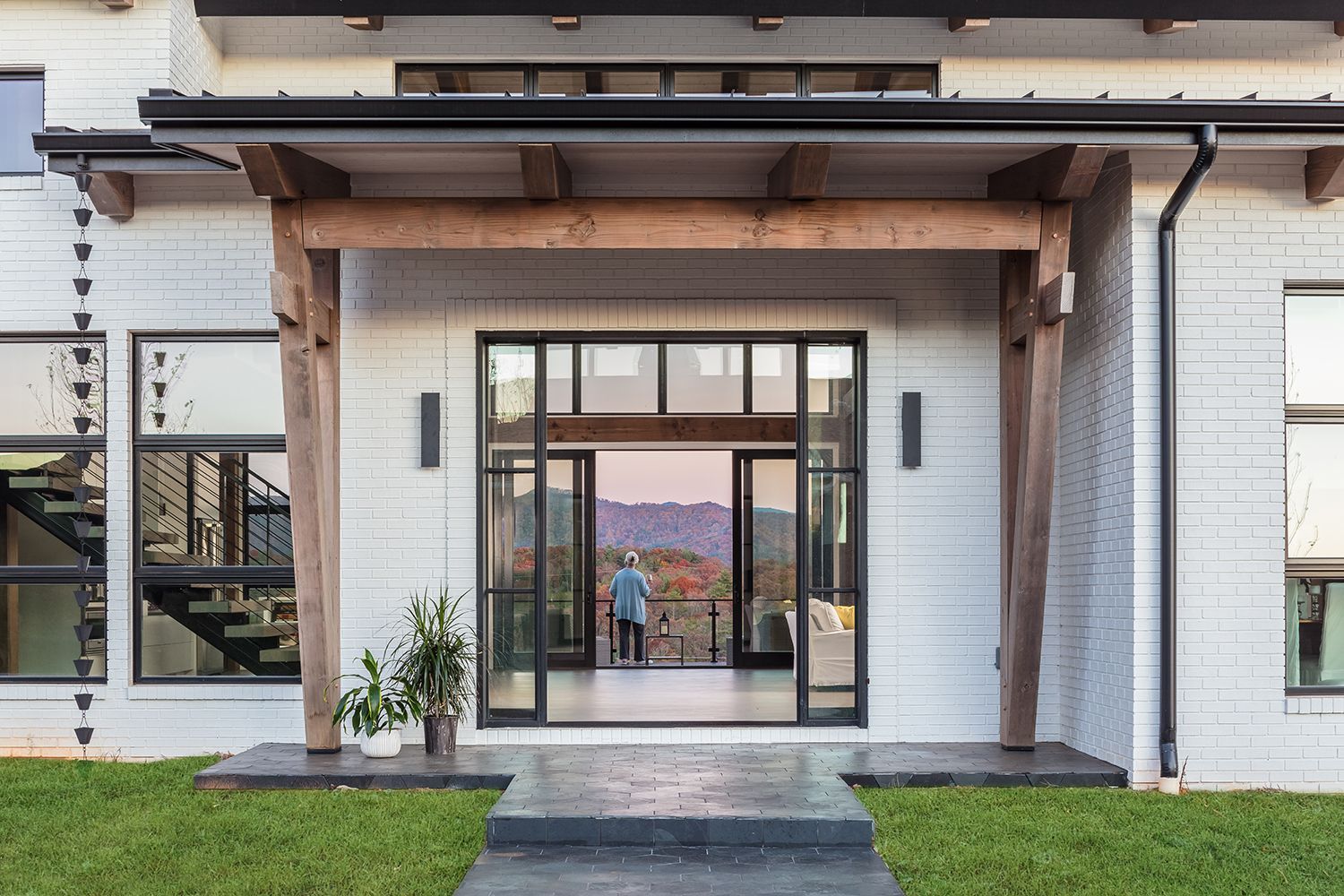
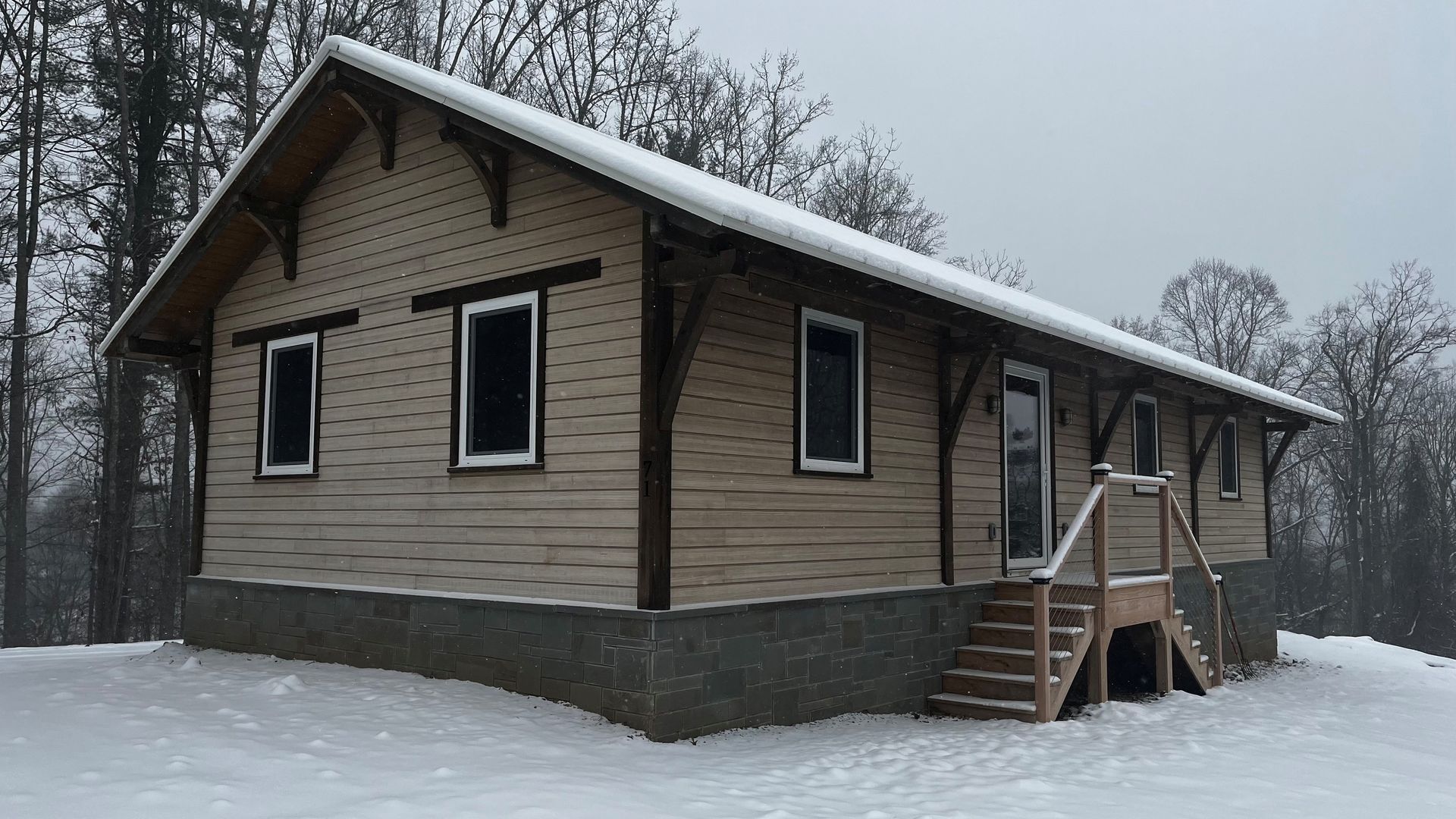
Timber frame construction allows for seamless integration with a variety of other building materials, adding diversity to architectural styles. From stone and brick to glass and steel, timber frames can accommodate eclectic combinations that personalize and enhance a home's aesthetic. This adaptability enables architects to blend the warmth and rusticity of timber with the sleekness of modern materials for a unique architectural statement. The harmonious pairing of diverse materials not only augments visual appeal but also improves structural and thermal performance. Such synergy ensures that timber frame homes remain versatile and accessible to those seeking personalized design opportunities.
Homeowners value the ability to imprint their distinct tastes and lifestyles into their living spaces, an opportunity amply afforded by timber frame homes. Whether traditional or contemporary, timber's versatility allows for a broad range of architectural styles that can be adjusted to meet individual preferences. Customization options extend to every detail, from timber choice to the layout of beams, enabling personalized design that closely aligns with a homeowner's vision. This emphasis on customization empowers homeowners to transform standard house designs into personalized, one-of-a-kind residences. As personalized architecture grows in demand, timber framing provides an ideal medium for exploring custom home design.
Overall, timber frame homes offer a combination of timeless beauty, environmental benefits, durability, and design flexibility that continues to appeal to modern homeowners. Advances in engineering and construction have further expanded the possibilities of timber framing while preserving its traditional character. As homeowners place greater value on sustainable materials, personalized designs, and long-lasting construction, timber frame homes are well positioned to remain a popular choice for years to come. Contact Timberframe Horizons, LLC today for more information.